Friday, December 8, 2017

Ultimate Guide to Moving Abroad Part III: Money


We all need money. Period.

Cambodian Riels KHR 4,060 = USD 1 so this is about $2.75

You don't need a ton for the move abroad itself, but you do need money to settle into a new place and enough to live. So figure out your money situation.

What is your starting point? Are you currently financially stable? Do you have an income? Do you have savings? Do you have debt?

Check out numbeo to see what you can expect for the cost of living in your new city.

Broke foreigners mooching around countries where a large part of the population is actually poor is NOT a good look. Despite rumors, your embassy will not fly you home for free. If you don't have enough to make a new home, hold off and save up.

“Settling Down” Money

Next, think about your transition window. How long can you set up a new living situation before you need to start working again? How about health insurance?

Budget for this time. Plus some. This budget will be highly dependent on your lifestyle, so be honest with yourself. If you aren’t a barefoot minimalist backpacker, don't expect to live like one.

What kind of job can you get in your new home country? Are foreigners banned from any industries? How much does it pay? What if things fall through?

managed a restaurant for a year and a half
perks of the job--endless tacos

Back in 2010 I moved to Ireland planning on an office job at an NGO. I had a job offer within months but the Irish economy tanked and my job offer was revoked by Immigration. What would you do in that situation? Give up? Or just rearrange your expectations and get on with your new life...

Have a Back-Up Plan

Make sure you have something up your sleeve.

me with coworkers, unknown job, unknown place 💀

Though I have a career in NGO work, I’ve been in the restaurant business since I was 17. Depending on the day, I can be a professional chef, a restaurant manager, a bookkeeper, a bartender, or a marketing plan consultant. I can pick up content writing jobs. For English speakers, teaching English can be a first or last choice depending on how much you like teaching. List out your options.

In no way am I recommending that you work under the table. Does it happens all over the world and bring in quick cash in a pinch until you get your situation straightened out? Sure. Have I done it? Never!!! 😉

Lining Up Work

This is a controversial one, but I’m a firm believer that you do NOT need to have a job before you move. In fact, unless your current employer is transferring you overseas, it’s nearly impossible to get a job lined up from overseas.

Would you hire somebody without meeting them in person? A few industries can handle virtual interviews, but for the most part this is not a reality. 

me at my writing job in 2017

I know it’s scary for some people to imagine moving without a job in mind. The truth is, if you are employable you will find a job. Are you ready to go yet?

If you have the first three things taken care of in this blog series (Stuff, Immigration, and Money) I am happy to tell you that you are cleared to actually get on a plane. Go ahead. Make the leap and buy those tickets!

Click here to read the next part in the Ultimate Guide to Moving Abroad series.

Ultimate Guide to Moving Abroad Part II: Immigration

Before moving abroad, immigration policy is where you need to do your research. 

my first Thai visa - a triple entry tourist visa from the Thai Embassy in the USA

Your visa (or lack thereof) will dictate how long you can legally stay in a country and any financial requirements along the way. In some countries, you can get thrown in jail for minor visa infractions like overstaying a few days. So pay attention.

Keep your passport as clean as possible. Follow the law and obtain the proper visas as you enter and exit new countries.

Visa Basics

Every country gives visas differently.

Visas depend heavily on the international relationship between your home country and your destination.

Some countries have very few options for foreigners (visa exempt, tourist visa, or long-term visa) while other countries have extensive hoops to jump through. To get into the United States for example, foreigners have to meet strict requirements for one of more than 36+ detailed visa options.

8:00 AM line at Division 1 Immigration in Bangkok, Thailand

Some people are lucky and are born in a country with rights to roam the world freely. Some people, due to politics beyond their control, are not allowed to travel much at all.

Here are some tools that decipher where you can move to most easily:
  • Travelscope a world map that shows the power of a country’s passport using visual graphics
  • Passport Index a dynamic list that lets you compare passports from various countries

Helpful hint: if your country has been involved in armed conflict in the recent past (👋 imperialists) or if your country is involved in economic sanctions against a foreign country, you will have especially stringent visa requirements--if you are allowed in at all. I can’t tell you how many times I’ve been to the airport in Bangkok and seen US citizens fighting with the airline ticket agent because they didn’t realize they need a visa before setting foot on a plane to Vietnam.

Dont forget to find out about money. Some countries do take US Dollars, but most don’t. Some places give you change at the immigration counter, most don’t. Again, I’ve seen plenty of fellow Americans pleading with immigration officers to accept their US Dollars as if it were universal currency. Don't be that person.

Working in a Foreign Country

The other key aspect of immigration is your work status. Your visa will strictly regulate how much you are allowed to legally work. For example, in Ireland a student with a US passport can work freely up to 20 hours per week during the school year and more during summer break. The spouse of that student, however, is not allowed to work at all.

By contrast, a student with a US passport in Thailand is prohibited from working altogether. Non-students with a work permit have to be aware that if they quit their job, they lose the visa and work permit immediately and are forced to leave the country within 7 days. Know the laws of your new country. Google it.

on a trip to Vientiane, Laos to apply for my work permit--which cannot be done from inside of Thailand

this is what a Thai work permit looks like

Note to digital nomads: Lots of countries consider working online illegal. Even if your work is for an employer outside the country, it’s technically not allowed. Same goes for volunteer work. 

Life Isn’t Fair

Remember, not all countries have stable immigration laws or ethical oversight. In the 4 years I lived in Thailand, laws concerning my status changed every 6 months. This is the gamble. 

the wait for visa extensions in Jang Wattana, Thailand takes between 1 and 7 hours 😇

Not all countries function according to the written law. Sometimes you have to hope your immigration officer is having a good day. You cannot convince a foreign official that just because the website says XYZ, they have to honor it. Getting angry or indignant will make things worse. Trust.

Research ahead of time and be familiar with typical issues. You need to cope in these circumstances without spoiling your plans. Immigration is probably the #1 area where your research can make--or break--your future in your new home.

Click here to read the next part in the Ultimate Guide to Moving Abroad series.

Ultimate Guide to Moving Abroad Part I: Stuff

Let’s talk about how much stuff you own.

total baggage for 2 people leaving Thailand 2017

Without a doubt, you own more stuff than you can take with you on an airplane.

I watch a lot of Hoarders: Buried Alive and people have an unhealthy attachments to things.

I’m also from the United States. People in the USA own a lot of sh*t. US home sizes are huge--twice as big as in the UK and almost 4x the size of the average Chinese home. Like pack rats, we fill up whatever space we have.

Before you can move abroad, you have got to get control of your stuff. Unless your company (lucky you) is paying to ship your belongings across the globe, you will need to physically carry everything you own. The only way is by owning less stuff. A lot less.

Get Rid of Your Stuff

Detach. Read a book on minimalism. Meditate on the emptiness of possessions. Do whatever you have to, but emotionally detach yourself from your stuff so you can get rid of it.

Stacy, packed for a 1 month in Peru 2015--including a 4-day hike + a wedding

Are you motivated by money? Sell!

It takes a good month using online marketplaces to make a decent amount of cash. This job falls to people who are responsive to messages and extremely patient. Buyers have some wackadoo requests (“Can you write me a receipt for this second-hand desktop computer?”) and you have to deal with them if you want their cash.

Whatever is left can be given too a friend that will find it worthwhile. My favorite vintage bar stools live at my local Indian restaurant in Oakland. My treasured bike from Bangkok went to a friendly coworker.

Go paperless. Scan photo albums, documents, and everything onto a cloud storage system. Turn it into thin air. Then throw it out. This feels AMAZING.

Once you have felt the sting of regret for getting rid of a little too much (OOPS I needed those flip-flops!)...that’s how you know you are finally ready to pack.

Should I store it?

It’s taken a few tries, but I’ve learned that it’s best not to leave anything behind. Your stuff loses value while you are away. Furniture warps, clothing degrades, and records break.

Also, your leftover stuff can cause you some sticky situations. True story: I left my ex-husband shortly after an international move. I had things stored in his parents’ basement. Long after we had ceased being friendly, I had to fly across the country and sift through it all with him. Talk about awkward.

Listen, anything you want can be purchased again. If you really love having a guitar, you’ll buy one in another country. Will it be as nice as the one you've had since you were sixteen? No. But you’ll use it and you wont leave a nice one rotting in somebody’s basement.

Stuff Worth Storing

If you are 100% sure that you will return soon-ish, it’s fair to store the following items:
  • Treasured Collections that are impossible to replace: family Christmas ornaments, a lifetime record collection, heirloom jewelry, etc.
  • Expensive Hobby Equipment: musical instruments, sports equipment, etc. 

Disclaimer: if you love your new home country, it could be years before you go home. In an emergency, your generous friend should be able to abandon it all without causing a rift in your relationship.

Take It With You

Each time I move, my bags get smaller. I have learned to be precise.

total baggage for 2 people on the road for 5 months. ok so 3 are mine 😅

So what do you actually bring? Though you may be tempted to leave important things in the 'safety' of your home country, do not leave these items behind:
  • Personal Documentation: Birth certificate, legal paperwork (probate, divorce, taxes), high school/college transcripts, diplomas, medical information, dental records, insurance information, etc. You will need original documentation in your hand for various travel and job applications. You will usually have less than a week to produce them and sometimes your visa is riding on it, so FedEx is out of the question. Take it with you and be responsible for it.
  • Extreme Weather Clothing: Assuming you have nice clothes that you like, keep 1 of each of your most expensive items. As a Latina woman with boobs and hips, clothing options are sparse here in Asia. So take a swimsuit to Antarctica and take a winter coat to Vietnam. Maybe Antarctica has fabulous indoor heated pools! Maybe you’ll visit the snow in Japan! You will be traveling more than usual. Having this 1 item will buy you time.
  • All Occasion Clothing: Have one outfit nice enough for a wedding or a job interview. Have sandals that you can wear in a flood, at the beach, or as slippers. The same floor-length dress can be worn to a funeral or on a motorbike trip around ancient temples--you get the idea. I’m not talking about trekking poles--just the absolute basics. I hiked to Machu Picchu for 4 days through snow and mud in old tennis shoes. 

you don't need a yoga mat or lulu-lemons to practice in the Andes!

Leave It Behind

This one is hard. It goes against every instinct we have, but do not pack FOR your new country. I know you’ve spent weeks reading up on the local weather patterns, but you need you to trust me.

It’s a waste of energy to haul things that you won't end up using. Start off by admitting that you know nothing (!) about your new home, the standards of dress, or the accoutrement of your living space and you cannot possibly pack well for it.

Don't trust what the internet tells you. Most bloggers are tourists and have no handle on local customs. As an example of the blind leading the blind, see every single “How to Dress in Southeast Asia” blog and then read the local papers that shame Western tourists for how they dress.

cant get into Thailand if you are dressed like a hippie! SoThai

As for gear, the country you are moving to has quality products suited to that environment. Don’t carry a winter coat from California for the harsh Mongolian winter. Don't bring a raincoat to Thailand because it’s too hot to wear long sleeves in the rain.

Where You are Going is Civilized

This one is for anyone headed to developing countries for the first time. Assume the country you are going to has a large number of totally normal, completely modern human beings living there. Privileged Americans and Europeans think that Latin America, Asia, and Africa are remote jungle locations. They pack basics like bug spray, aspirin, pencils and paper, or water filters. I guess they imagine everyone lives in a hut, wears pajama pants, and drinks muddy water from a gas can.

Honestly, anywhere you are likely to touch down is a capital city of the world. It has all the modern conveniences of your home country. There is no need to bring that water filtration system.

Even foreign products are readily available in large cities. You are not Indiana Jones. If foreigners have gone before you, they have created a market for these things long ago.

Specialized items can be less popular in some cultures (where my moon cup ladies at?) so be adaptive and you'll survive.

don't pack alpaca snacks! they like home-grown Peruvian grass 

Every country has online expat forums. For example, I used these to find out about life in Thailand:
There is almost no need to ask questions to the group--just search the posting history. Each country and decent-sized city will have its own forums where you can mine information from thousands of people who have already asked.

Bottom Line

Remember to use your head as you travel. With the world at your doorstep, all of a sudden you are a global consumer. Buy your umbrella in London. Get your winter coat in Moscow. Buy your bikini in Rio. And never, ever buy your prescription drugs in the United States of America again!

Click here to read the next part in the Ultimate Guide to Moving Abroad series.

Ultimate Guide to Moving Abroad: Intro


Every so often I get a call from an old friend. They just got a big job offer/divorce/new boyfriend/fed up with life and they need to know how hard it is to move to a new country.

I’ve moved around a bunch. From the US to Spain, Ireland, Thailand, Cambodia, China, and now the Philippines. After all those international moves, I’m not an expert, but I have learned some things. I hope what I’ve learned can help you too.

The truth is that moving countries is not hard. You can do it tomorrow--all you need is a passport. You can literally pack one bag, fly around the globe, step off the plane, and simply just stay there forever.

Let that sink in for a moment.

You just...go.

There is a Thai saying: อย่าคิดมาก or “Don't think too much.” If you don't over-analyze moving to a new country, it can be easier than moving across town.

Once you understand this, the real question is about how to do it well.

Making it Stick

Moving to a new country AND doing it well simply means making it stick.

If your idea of your new life doesn’t turn out as planned, you will turn around, and go home. It's an easy way to end the misery of a bad move.

Going home is a lot of people’s Plan B. There are plenty of blogs out there about people who “moved” but returned home within 6 months or less. I’ll leave those stories to other bloggers.

double rainbow over the Amazon means you can do it!

With a little planning, you can slide “going home” down to Plan G/Plan H territory, and your move will stick.

Based on my experience, there are 5 things to consider about your life. Once you have those 5 things figured out, you are golden. If you are reading this because you are contemplating a big move, I hope these posts help you to make it happen.
Let’s get started!

Click here to read the next part in the Ultimate Guide to Moving Abroad series.

Wednesday, October 25, 2017

delicious tonics: lost in translation

I am staying in an AirBNB in Kunming, China in a few months. At first the hostess said if I didn't speak Chinese I couldn't stay there (1) because it may not be legal for foreigners and (2) because she couldn't communicate with me.

I suggested that we just use Google Translate and do our best because her house is gorgeous and right where I need to be. So she said OK let's try. Stacy and I will be the first foreign tourists in her place.

Daguan Park, Kunming, Yunnan, China

She just sent me an email about suggested things to do in Kunming. I told her I am interested in local food. I thought this was the best bit of the email.

Food Recommended: (1) bridge noodle (built new garden), taste hot. (2) pot rice noodle, Yunnan people every day to eat food, taste salty hot and sour. (3) tofu tofu, with halogen sauce is delicious. (4) steamer chicken, very delicious tonic Oh, looks like the first few can be built in the new garden to eat, the store's three fresh rice noodle is also good Oh. (5) cold bean powder, hot weather when eating a bowl is very appetizing. (6) fried potatoes, taste fragrant spicy, delicious to simply stop down. (7) papaya water, ice powder plus rose sugar, the entrance cool fragrance, Jieshu sharpener. (8) Dai flavor, Yunnan characteristics of food, to hot and sour appetizers, like hot and sour taste of the people will be super love (9) fungal food, to Yunnan is to eat the mountain, fungi and more to think, fresh Sweet taste must try Oh (10) roast beef (copper pot of beef), a hot pot, the landlord my favorite, do a good robe beef are halal, want to see the taste is good, just look at the line of people more Know it, taste salty spicy, beef cattle miscellaneous to half, with a small dish with the taste of beef soup cook, really delicious to fly up! (11) barbecue, evening at home to take a takeaway, Zhaotong small skewers, grilled fish, roasted eggplant, while watching TV side line string is also a good choice, you want to choose the characteristics of Yunnan package burning class.

Google Translate is always a fail, but I've never seen Chinese to English before. This is a new height of confusion. That said, I am ready to try all the "delicious tonics". Even badly translated, this girl clearly knows her food.

I can't wait. 非常感谢你

Saturday, September 23, 2017

Five Unexpected Street Foods to Eat in Thailand

http://alisonisabroad.blogspot.com/2017/09/five-unexpected-street-foods-to-eat-in.html
 Five Unexpected Street Foods to Eat in Thailand

Every traveler eats pad thai when they get to Thailand—hey it’s famous for a reason. But why stop there? Here are five more delicious street foods to add to your travel list.

1. Pad See Ew ผัดซีอิ้ว
https://www.eatingthaifood.com/pad-see-ew-recipe/
click here to see a blog by a guy who is crazy about Thai food

It’s time for some new Thai noodles in your life: the smoky, chewy noodles of phad see ew. Stir-fried with eggs, local greens, chilies, soy sauce, and wide rice noodles, this dish has a bouncy mouth-feel that kids of all ages can enjoy. Choose chicken or pork, then add vinegar to taste and these noodles will be always hit the spot. My old favorite on Sukhumvit 38 has moved, so my chef friend Joe recommended a new place near his house.

Phad See Ew stall in front of Teens of Thailand, Charoen Krung, Bangkok open 5-9pm

2. Yam Khai Dao ยำไข่ดาว
fried egg salad. this version has either mushrooms or fish maw, not sure tbh

If you are in the mood for a spicy delight, try a Thai fried egg salad. Crunchy celery greens, tomatoes, crisp onions, chilies, coriander, and a light dressing of garlic and mild fish sauce make this salad hearty and fresh. The best part is the Thai-style egg with crispy edges and a soft yolk. Fun fact: khai dao means fried egg but translates to “star egg”.

Tam Sang stall opposite Route 66 Nightclub, Royal City Avenue, Bangkok open 12-5pm

3. Bua Loy Nam Khing บัวลอยน้ำขิง
bua loy + lod chong in the background

Not particularly beautiful, a bowl of bua loy looks a lot like marbles floating in milk. In reality, this warm ‘dessert soup’ is a deliciously comforting way to end a meal. Imagine slurping up hot ginger syrup and coconut milk with soft rice pastry floating in every bite. My favorite bua loy is found in Bangkok’s Chinatown, where the ping-pong sized rice balls are plump with black sesame paste--reminiscent of warm, gooey peanut butter.

Sweettime dessert stall in front of Nai Ek Roll Noodles, Yaowarat Road, Bangkok open 7-11pm

4. Jim Jum จิ้มจุ่ม
https://www.eatingthaifood.com/food-photo-jim-jum-hot-clay-pot/
check out eatingthaifood.com for more amazing street food blogs

Hoping not to ruin your diet on vacation? Look no further than jim jum or traditional Thai hotpot. Full of flavor, it is a ‘clean’ eating option and a great meal to share with friends. When you order jim jum you can choose pork, chicken, vegetables, or seafood. The broth arrives at your table simmering over hot coals and ready for a group cooking experience. Throw in fresh Thai veggies, mung bean vermicelli noodles (low glycemic index), meat, and an egg and simmer until the tender meat is ready. Add plenty of Thai basil and you won’t be disappointed.

Issan food van opposite Thonglor Soi 2 near the Pridi Banomyong Institute, Bangkok open 5pm-2am

5. Phad Grapao Gai ผัดกะเพราไก่
always a good choice

No street food list is complete without pad gaprao gai or Thai stir-fried basil chicken. It’s not the most exotic thing, but it is a standout favorite among locals. Did you honestly think Thai people eat bugs at every meal like you see on Khao San Road? The standard plate from any street or hotel restaurant is the same: stir-fried chicken, holy basil, chilies, and a rich brown sauce over rice. Ask for a khai dao fried egg on top and you will have the same lunch as millions of Thais across the country!

Try any street stall or restaurant in Bangkok! Look for a large wok and you are in business. My favorite versions of this dish are in casual restaurants like Foodland and Sabai Jai Gai Yang because the chicken quality is a little nicer.

me + a scrimp
Stacy + a chicken wing
gaprao gai, yam khai dao, and bik gai thod fried chicken wings at Sabai Jai
me w some visiting friends in February 2016 at the Issan food van post-jim jum

What unexpected street foods have you tried and loved?

Saturday, September 16, 2017

Five Places Worth Another Visit


One of the most obnoxious things to hear from tourists as they travel is that they’ve “done” a country. “Have you done Laos?” “Yeah I did Laos right after I did Cambodia.”

As foreigners, each new place we visit is a rich, diverse, complicated place where people actually live. It’s more than just a vacation spot.

Given the time and money, you could return over and over and discover new things each time. You could live there for years and still not understand exactly how everything works!

With that in mind, here are the top 5 places worth a second (or third!) visit.

5. VIETNAM
probably Bui Vien in Ho Chi Minh City, Vietnam

One trip to Vietnam is not enough.
On your first trip you can explore the south. I went in January 2014 during Tet or Vietnamese New Year. Ho Chi Minh City aka Saigon is a city that buzzes with incredible traffic, delicious coffee, and neatly groomed public parks.
A tour of the nearby Cu Chi tunnels is an eye-opening experience. Don’t take it personally when the tour guides speak about “American devils.” Remember this is history from the Vietnamese perspective, and the US has been involved in plenty of shady business throughout history.

After the city, take some time to unwind at the beach. Hop on a bus and head directly east until you reach Vung Tau. Check out the Imperial Hotel for an opulent, colonial-style getaway complete with private beaches and marble statues around every corner. I enjoyed the entire wheel of brie and fresh bread in the breakfast buffet each morning. Go big or go home, right?
outdoor show for Tet

On your second trip to Vietnam, it’s time to head to the north. I was there in December 2015. Try to stay in the capital city Hanoi and leave enough time to travel to the famously beautiful Ha Long Bay.


If you want to avoid the crowds but still enjoy the limestone islands along the water, I’d suggest skipping the touristy bay cruises and heading down to Cat Ba Island on the southeastern edge of the bay. With a sleepier atmosphere, Cat Ba Island is full of fishermen instead of touts.

Lan Ha Bay on Cat Ba island, Vietnam

December in the north of Vietnam is anything but tropical, so don’t forget your close-toed shoes and some warm-weather clothes for the evening.

After two trips, Vietnam still has plenty to see. The Mekong River Delta in the far south looks gorgeous in photos and has extended boat tours available. In the far north near the Chinese border, there are bright green rice terraces situated beautifully on the mountainside. Guess I’ll have to go back!

4. MYANMAR (BURMA)
Shwedagon Pagoda in Yangon, Burma

Tourism to Myanmar (Burma) is developing rather quickly, although the country has only been open to tourists since 2015. One of the most ethnically diverse countries in the world, Burma has plenty of culture for visitors to discover.

The first place most foreigners see is Yangon, the Burmese capital city until 2006. In the central region of Burma, Yangon is famous for the sizable golden Shwedagon Pagoda.

With foreign technology sweeping the country, not everyone is prepared. In June 2014 I saw people taking their first rides on escalators. I even saw a family put their baby through the metal detector on the way into the pagoda.

Since tourism is relatively recent, Yangon doesn’t have a disdain for tourists just yet. One taxi driver took me to eat mohinga, a Burmese fish stew, before he took me to the airport. He said he couldn’t imagine someone leaving the country without trying his favorite food. He even paid.


Burma is a travel destination that visitors will find refreshingly untouched.

downtown Yangon

After Yangon, the second most photographed place in Burma has to be Bagan, the northern plains city dotted with thousands of ancient temples. Stacy and I took my cousin Kike for a visit in April 2016.

Bagan, Myanmar

With the country opening new areas of the country to tourism each year, there is new information all the time.

I have seen photos of untouched islands encircling crystal clear lagoons in the south. I heard a train ride across the country is breathtaking.

With so little information about the country available to foreigners, maybe we need to visit to learn more.


3. HONG KONG
view from Victoria Peak, Hong Kong

For any traveler avoiding the expensive Chinese visa fee, Hong Kong is the closest we can get to the Chinese mainland. I went for a visit in February of 2016.


The city is gorgeous and reminiscent of San Francisco: tons of buildings crammed onto hillsides, all cascading down to a beautiful bay. 

soho neighborhood in Hong Kong

If you get excited about fireworks, a good time to go is during Chinese New Year. Before this visit, I had never seen monkey-shaped fireworks before. I didn’t even know it was possible. The CNY fireworks display is definitely a marvel worth seeing.


If you like to shop, remember that much of the city is shut down for the holiday while shop owners spend time with their family. For those who like to party though, HK mainstays are all open. 

Causeway Bay in Hong Kong

Natural scenery is always open too. I climbed Victoria Peak and rode the unique local transportation--these double-decker vintage streetcars.


With a rich history as a major port city of Asia, it would take plenty of visits to Hong Kong before a traveler could get bored.

2. PHILIPPINES
El Nido, Palawan island, Philippines

The Philippine Islands have everything: modern cities, postcard beaches, delicious food, and great people. I took Stacy to the Philippines for her birthday in August of 2016 and I was overjoyed to find there is just nothing uncomfortable or unwelcoming about the country.

Filipinos are definitely the Latinos of Asia. Everyone speaks perfect English so getting around is 100% less intimidating than most other places in Asia. The extrajudicial killings in the news at the time are a little nuts, but we can’t hold government actions against the entire country.

The beauty of the water is impressive in the Philippines. From beaches to waterfalls to the plentiful ocean, a visitor would be hard-pressed to get tired of all the opportunities to be in nature. Whether swimming, hiking, or snorkeling, the Philippines has endless natural attractions that would take multiple visits to explore. 

off the coast of Mactan Island, Philippines
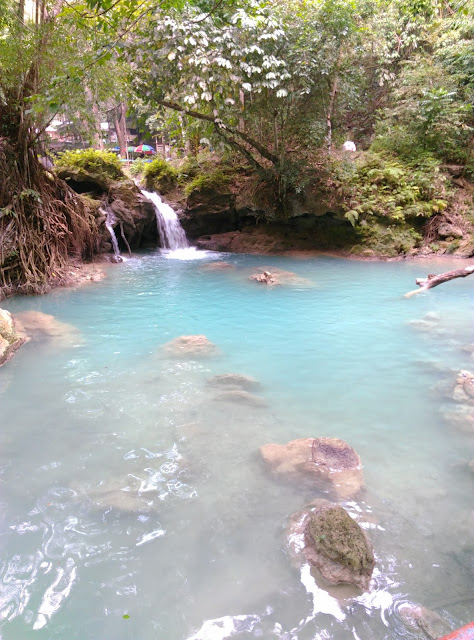
Kawasan Falls in Cebu, Philippines
oldtown + downtown Manila

Beyond nature, there is plenty of modern convenience as well.  I had been hearing horror stories about Manila for years; People told me it’s dangerous, drab, and smelly.  On my trip, I saw quite the opposite--hip restaurant culture, excellent cocktail bars, great local food, and the prices were super affordable.

Some areas of Manila can be rough around the edges, but they still have the open Filipino culture to make visitors feel welcome and enjoy their prized local delights. In Pasay City, a friendly prostitute taught Stacy and I how to eat our first (and last for me!) balut. Hospitality at its finest.


1. CAMBODIA
ride bikes up Phnom Krom 'mountain' in Siem Reap

Who can talk about Cambodia without mentioning Angkor Wat?
Angkor Wat near Siem Reap, Cambodia

After my visit in Thanksgiving of 2014, the famous ruins of the Angkor archeological site stayed in my mind for months. An ancient wonder, these ruins have fascinated the world since they were built during the time of Angkor during the 8th-14th centuries.

Impressive in size, layout, and architecture, no wonder this is Southeast Asia’s major tourist draw. 

Angkor Wat near Siem Reap, Cambodia

It’s an ancient temple complex but it looks like an entire city. It. Is. Huge.

Stone roads, statues, massive multi-room buildings, and fortified walls as far as the eye can see. In one day, you can maybe see portions of the first two temples Angkor Wat and Angkor Thom. In a week you can explore the main sites, but a serious visitor would need a month to see all of the lesser-known temples that make up this entire archaeological site.

Who could even think about cramming in a trip to Siem Reap and the capital Phnom Penh in the same visit?

Even larger than the Incan city of Machu Picchu, the sheer size of Angkor will have you dreaming about your return visit to Cambodia.


What about you? What places have you been that you would go again?

Saturday, September 9, 2017

Why I Don’t Ride Tuk-Tuks in Bangkok


Ah the tuk-tuk: the world-famous motorized pedicab from Thailand. A three-wheeled motorbike with a passenger bench; it’s the adorable vehicle you see in all the tourist photos.

Brightly painted in primary colors with shiny chrome guardrails and quirky personal decorations from the driver, it’s easy to see why everyone wants to ride—and take photos—in a tuk tuk.

Every country with a dire need for cheap transportation has its own version of the motorized rickshaw. It’s the resourceful way to turn your cheap, personal motorbike into an income. I’ve ridden the mototaxis in Peru and the tricycle of the Philippines but nowhere have I seen them more prevalent than in Thailand.

mototaxi pulling a friend in the Sacred Valley, Peru
tricycle in El Nido, Philippines 

About 20,000 tuk-tuks are registered as taxis in Thailand, 9,000 in Bangkok alone. Some people have personal tuk-tuks for trips to the grocery store, and countless hotels have tuk-tuk shuttles for sending customers to the BTS skytrain in style. They. Are. Everywhere.

In parts of Bangkok, it’s common to see tuk-tuk drivers milling around outside a tourist attraction. “Tuk-tuk?” they shout at passing tourists.

tuk tuks waiting outside the 7-11 near Thammasat University 

So when visitors come through Bangkok they are surprised when I tell them that I don’t take tuk-tuks. Like, ever.

Sorry. Maybe a few friends have been disappointed because it was on their travel bucket list. I mean, sure you can take one for the experience but it’s not like I use them just because I live here.

I don’t have anything against them…they just don’t make sense.

They make sense in the countryside. Big open roads mean tuk-tuks can squeeze by car traffic and be a cheap, convenient way to get from A to B. Plus, it’s nice to hop in the back and feel the fresh, natural breeze on the way.

my girlfriend Stacy & I riding a tuk tuk in Chiang Mai, Thailand 
Chiang Mai, Thailand 

I remember a late-night tuk-tuk ride in Chiang Rai towards the center of town. We needed a lift and our driver approached from down a dark road in a blaze of brightly-lit glory with a proud smile

tuk-tuk in Chiang Rai 
L-R in Chiang Rai: rickshaw, songthaew, bicycle, motorbike, car 

But in Bangkok traffic? In Bangkok weather? With Bangkok pollution? That’s a no for me, dawg.

Bangkok has two kinds of weather: hot and rainy.
Tuk-tuks are open-air vehicles.
You do the math.

If I am going to sit in traffic in the middle of the city, I’ll do it with a roof over my head in the air-conditioned luxury of a taxi cab.

Or if I’m in a rush, I hop on a motorbike taxi. Motorbikes are slimmer than tuk-tuks and can weave through cars so I still make it to work on time. Without having to sit in exhaust fumes, thanks.

motorbike taxis on Sukhumvit Road 

Maybe it’s because I live on Sukhumvit Road, the busiest thoroughfare in all of Thailand. There are just so many better ways to get around this city. For 50 baht I can get all the way to work on the back of a motorbike taxi AND get a free hair blowout at the same time!

About once a year I’ll catch a tuk-tuk in Chinatown at 5am when the taxis have cleared out. Even then, I just get out when I see a regular taxi. I dont want to go across town in slow motion. Once I took at tuk-tuk from a wholesale market, but only because I knew the exact price.

bumper-to-bumper traffic on Sukhumvit 

Did I mention that it’s hard to get a fair price from a tuk-tuk driver in Bangkok? They are so used to tourists who have no clue about local pricing or the value of the Thai baht that they don’t blink at a 500-baht ride.

When I see tourists riding in tuk-tuks I like to play a game. It’s called Guess-How-Much-They-Paid-Based-On-Their-Clothes. Elephant pants are about 300 baht per person. Bandage dresses and high heels at night jumps to 350.

Travel blogs like Lonely Planet always recommend bargaining for tuk-tuk rides. As if it's possible to do. In English. By tourists.

Even if you got down to 150 baht for EVERYBODY for one ride—which let’s be honest won’t be further than a kilometer or two—the fare is so inflated it’s laughable.

As a point of comparison, I pay about 180 baht for a taxi from my place in Thonglor all the way out to either airport.

Hey, I don’t blame tuk tuk drivers for squirreling money out of people, but not me.

late night tuk-tuk ride in Siem Reap, Cambodia 

With my foreign face and speaking Thai, the only response I’ve ever gotten for asking a fair price is a simple rejection. No driver needs to put forth the effort to drive me anywhere when tourists will pay their entire day’s salary with a single ride.

So that’s the long and short of it. Tuk-tuks are a famous mode of transportation here in Thailand. I love them for being a cheap, convenient, and whimsical way to get around in countryside towns. That said, I won’t be taking one in Bangkok anytime soon.

tuk-tuk in Siam area of downtown Bangkok